Design
CHECK 01Is the design developed enough for the next decision?

ENGINEERING APPROACH
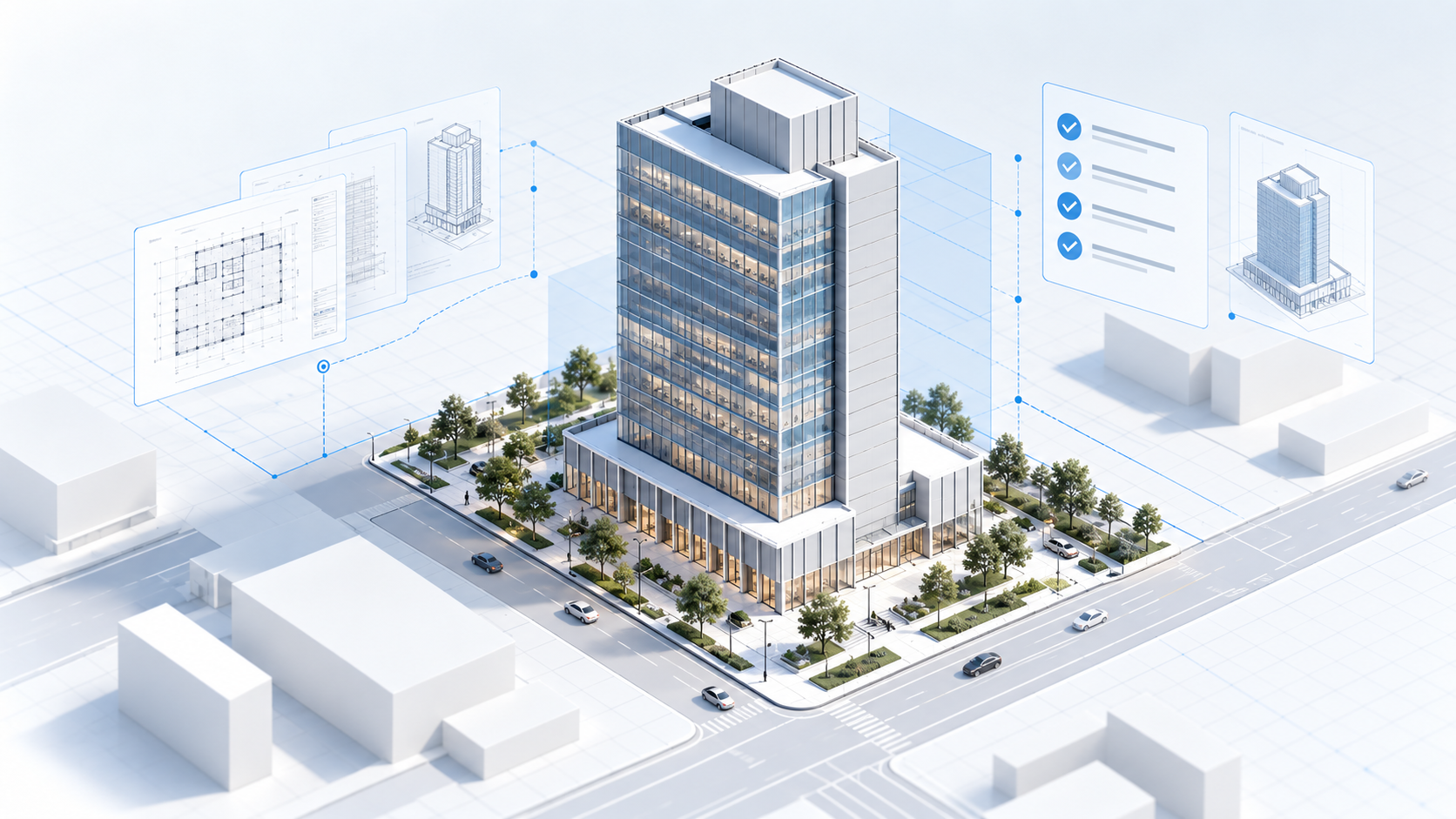
YDC's approach connects engineering, programme, cost, quality and documentation so project decisions are made with a clearer understanding of their wider effect.
Coordinated project information
Technical, programme, cost, quality and information controls are reviewed as connected parts of the same project record.
The YDC Standard
Verify what is issued, control what changes, and keep technical, cost and programme decisions connected.
Check that information is current, coordinated and ready for its intended use.
Make changes identifiable so teams can distinguish superseded information from the current issue.
Understand quantities and measurable impact before committing to a technical or commercial direction.
Resolve interfaces between disciplines while changes are still easier to control.
Keep instructions, approvals and decisions traceable throughout the project record.
Review technical decisions with their programme and commercial consequences in view.
Check that information is current, coordinated and ready for its intended use.
Make changes identifiable so teams can distinguish superseded information from the current issue.
Understand quantities and measurable impact before committing to a technical or commercial direction.
Resolve interfaces between disciplines while changes are still easier to control.
Keep instructions, approvals and decisions traceable throughout the project record.
Review technical decisions with their programme and commercial consequences in view.
Project lifecycle
Different stages need different decisions, reviews and outputs. Select a stage to see how the emphasis changes from early review through close-out.
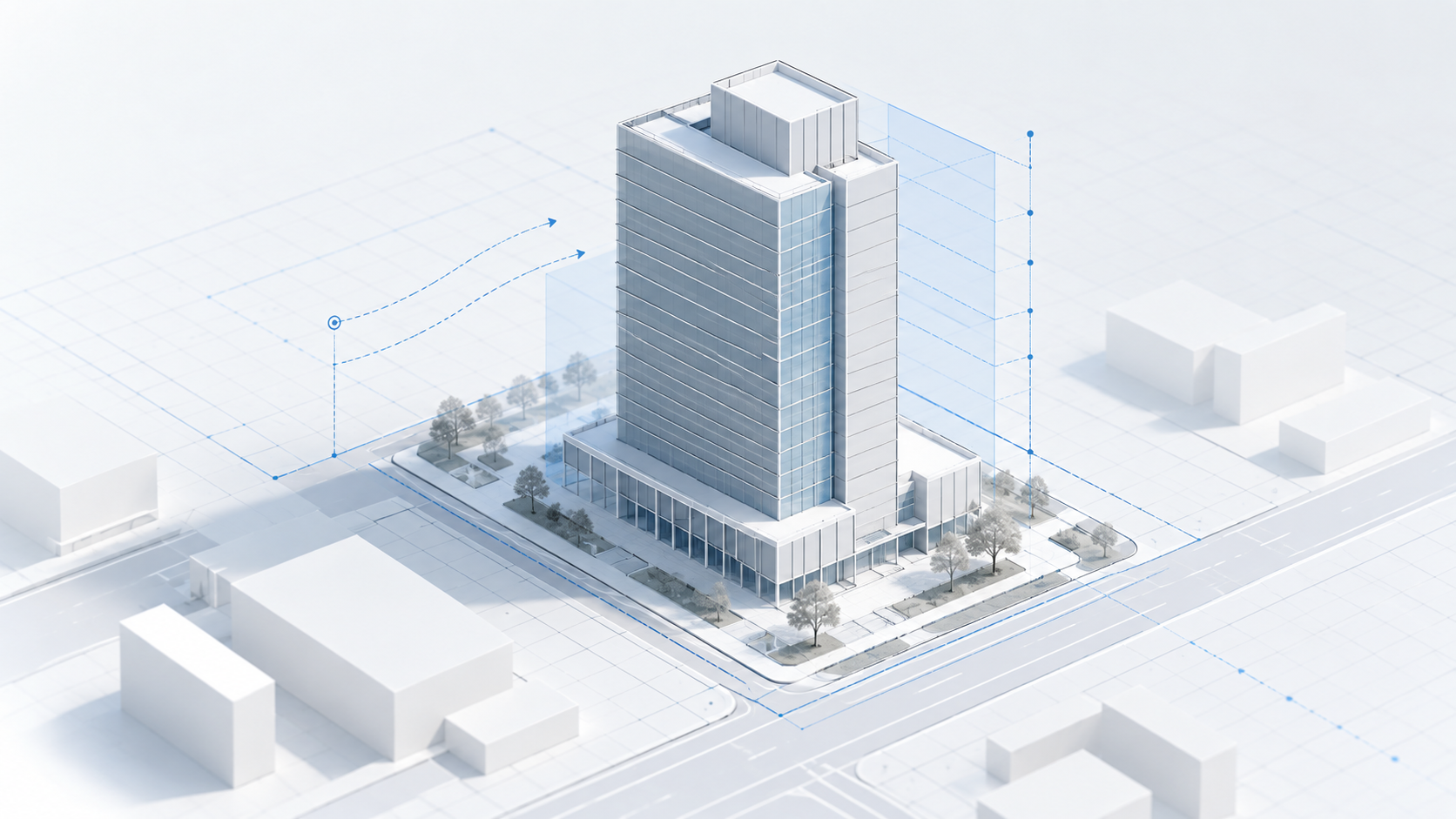
Feasibility & Due Diligence
Clarify requirements, existing conditions, constraints and technical risk before design effort accelerates.
Typical focus
Connected project controls
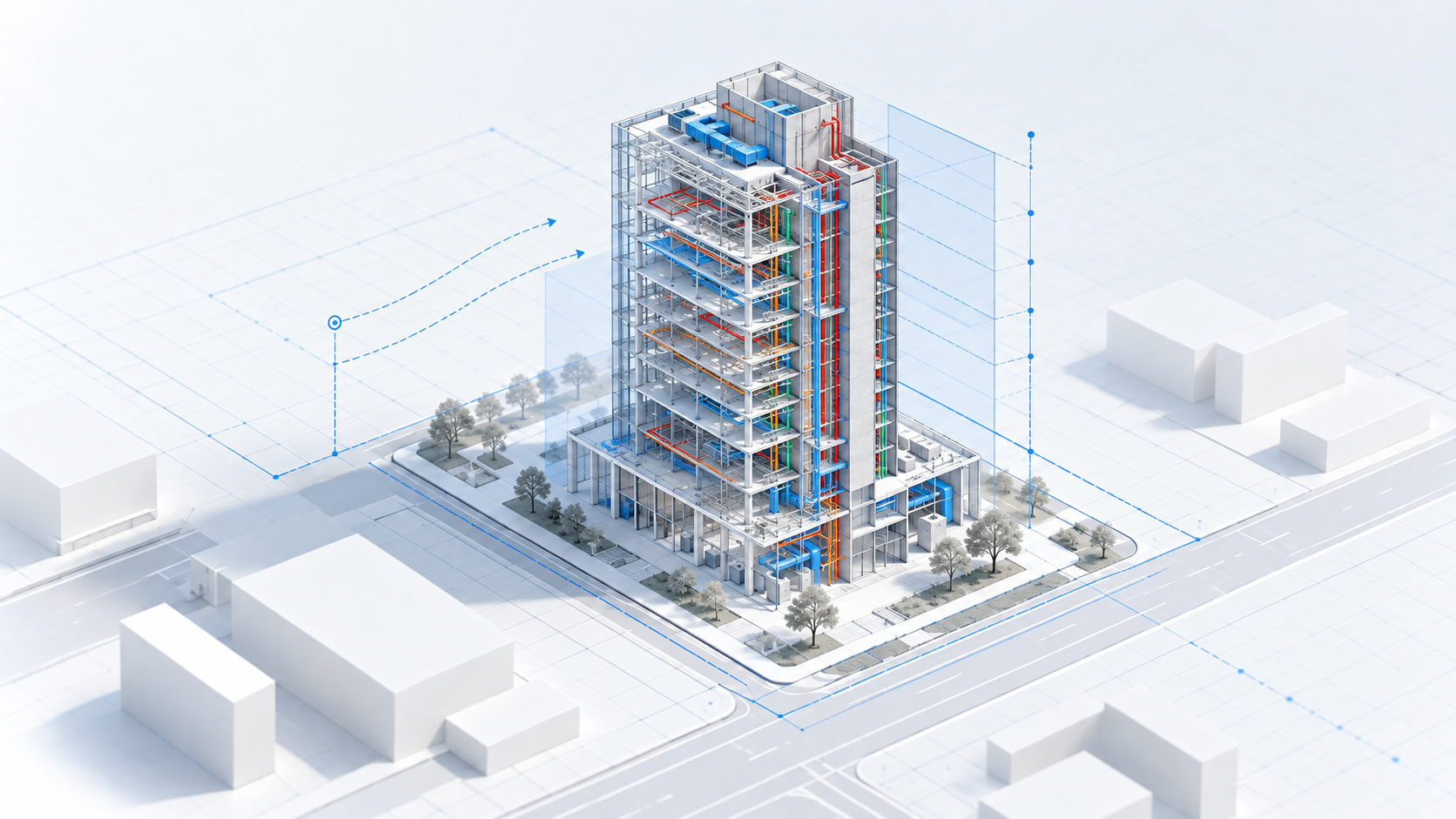
Programme, cost, technical status and project records should be reviewed together. A delay may affect cost. A design change may affect programme and procurement. A commercial decision may affect technical scope.
Design status, coordination, constructability and technical decisions.
Sequencing, milestones, dependencies and the effect of change on time.
Quantities, valuation, variations and commercial impact.
Review, inspection, compliance and close-out requirements.
Drawings, RFIs, submittals, instructions, approvals and revisions.
Pre-construction
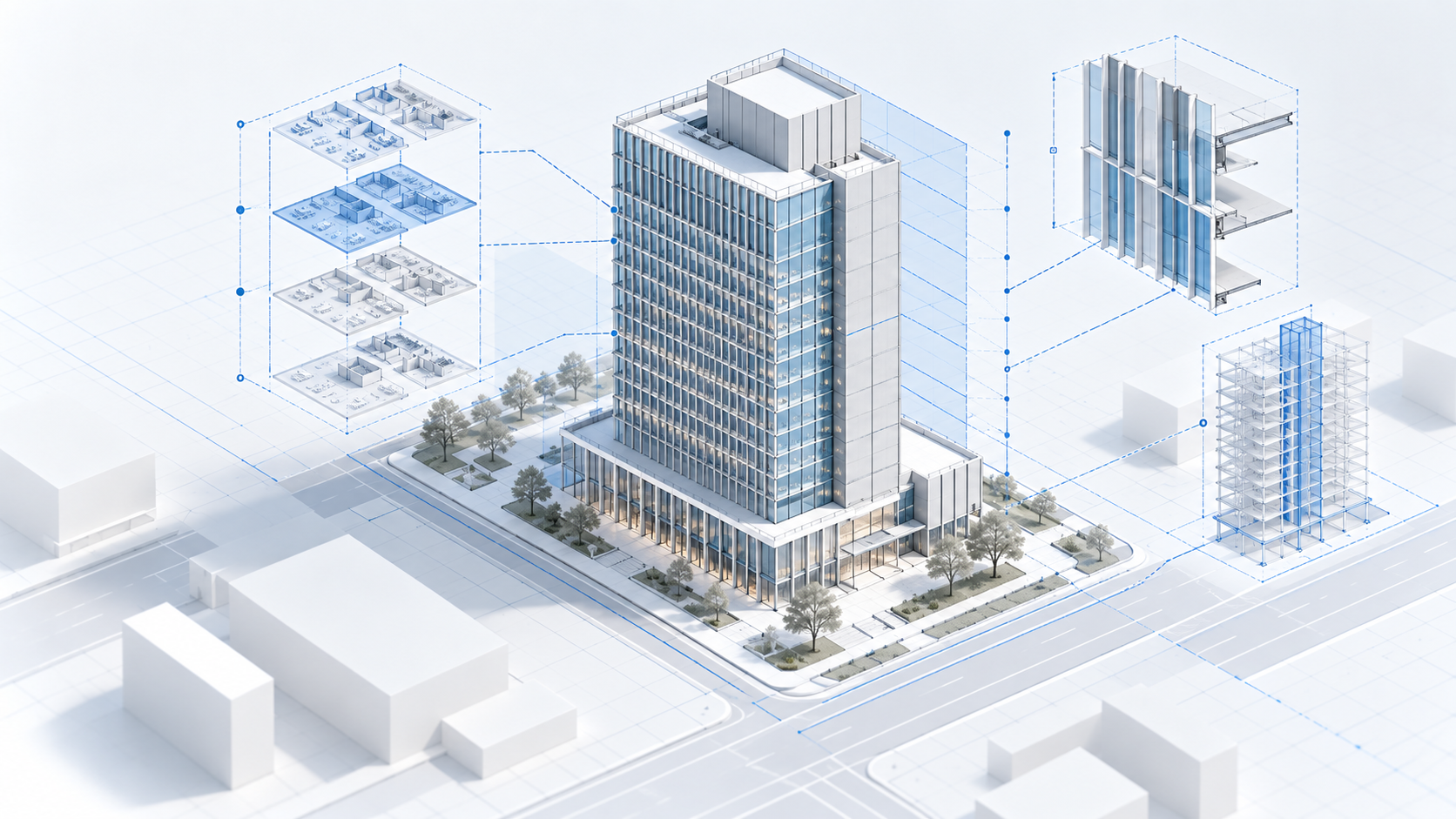
Pre-construction review focuses on whether design, quantities, cost, programme, coordination and tender information are sufficiently developed for the next project stage.
Is the design developed enough for the next decision?
Are major interfaces between disciplines resolved?
Can the current scope be measured consistently?
Are cost implications visible before commitment?
Is the information clear enough for comparable bids?
Are key dependencies and lead times understood?
Are unresolved technical and delivery risks identified?
Is the design developed enough for the next decision?
Are major interfaces between disciplines resolved?
Can the current scope be measured consistently?
Are cost implications visible before commitment?
Is the information clear enough for comparable bids?
Are key dependencies and lead times understood?
Are unresolved technical and delivery risks identified?
These are review questions, not project status scores. The answer depends on the project stage, scope and available information.
Information control
Drawings, revisions, RFIs, submittals, instructions and approvals should remain identifiable and traceable throughout the project.
Information enters the project record with a defined purpose and revision.
Technical and project stakeholders review against current requirements.
Comments and decisions are incorporated into a controlled update.
The accepted issue is identified for its intended use.
The team can distinguish the current issue from superseded information.
Construction support
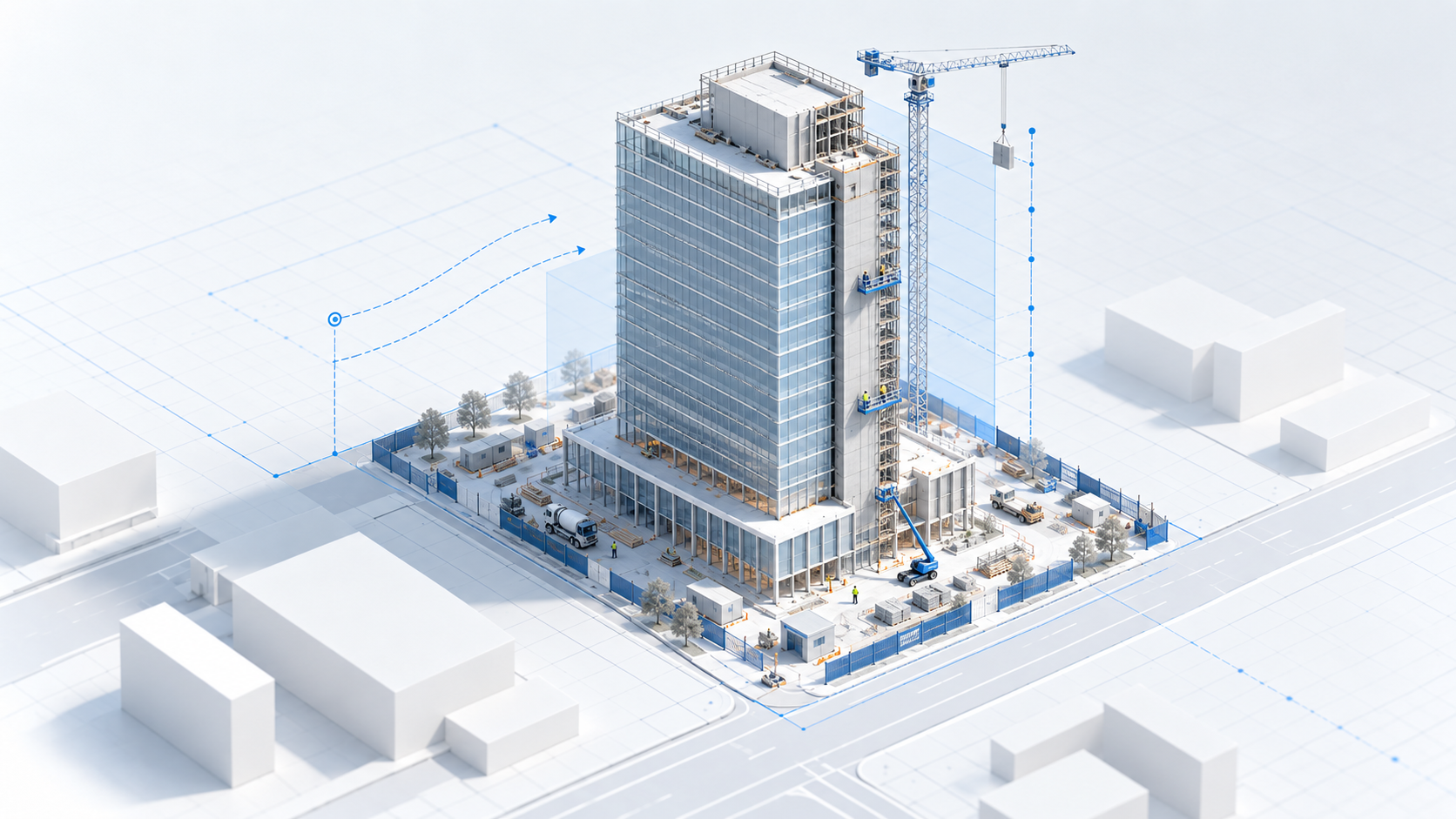
Construction-phase support remains structured around current information, traceable decisions and coordinated technical review.
Bring the approach into the project